
Writing Children’s Stories | How to Create Engaging Characters
19 October 2026 · 7 min read
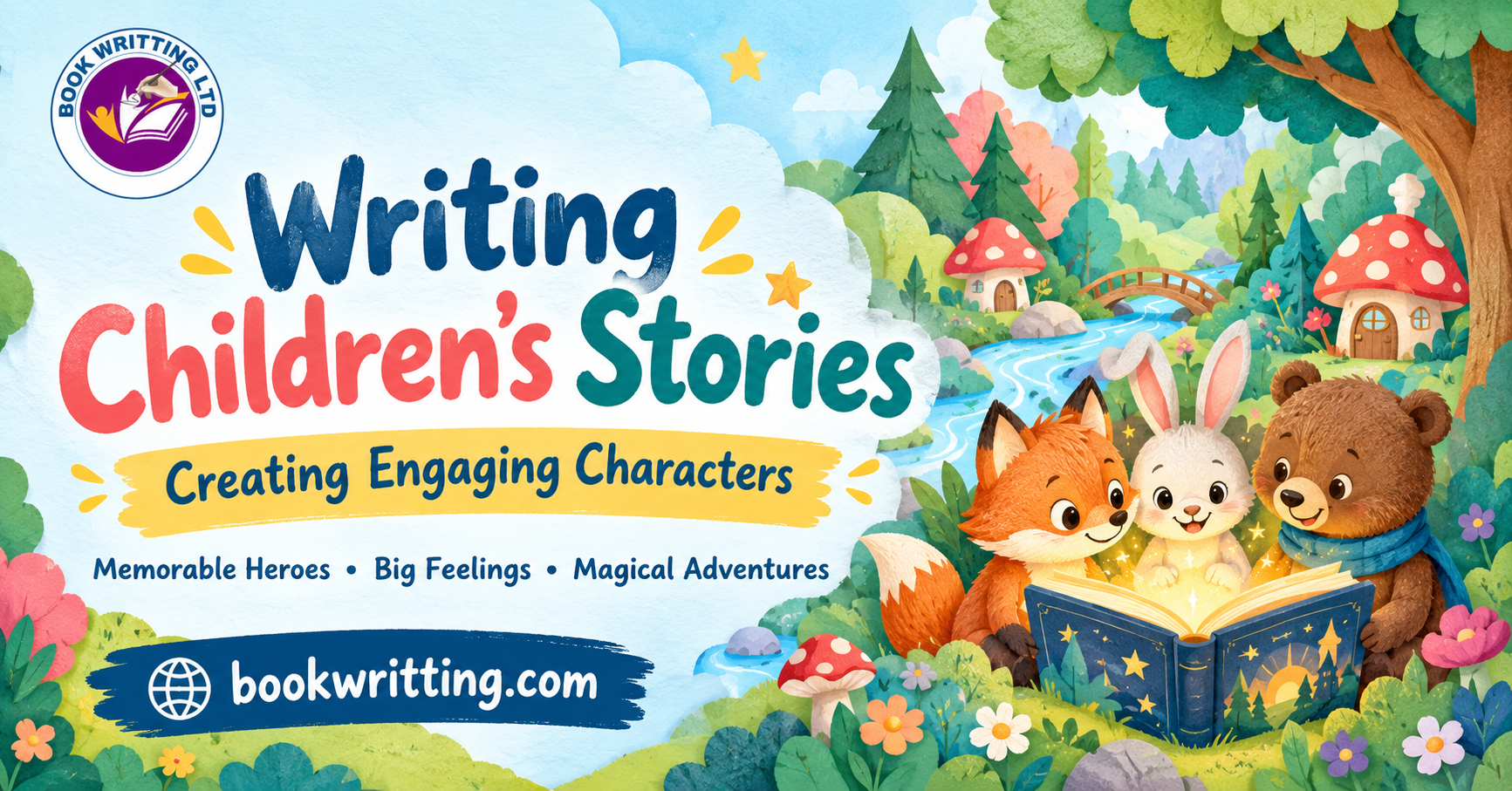
Children’s stories have a special ability to spark imagination, inspire curiosity, and create lasting memories. Whether a story follows a brave young explorer, a talking animal, or an ordinary child facing an extraordinary challenge, its characters often determine how deeply young readers connect with the adventure.
Creating engaging characters requires more than giving them interesting names or colorful appearances. Young readers want characters they can understand, care about, laugh with, and cheer for. When characters have recognizable emotions, meaningful goals, and opportunities to grow, even a simple story can become memorable.
Whether you're writing a picture book, an early reader, or a longer children's novel, these techniques can help you create characters who bring your stories to life.
1. Give Every Character a Unique Personality
A compelling character should feel like an individual. Think about what makes your character different from everyone else in the story.
Perhaps your main character is curious but impatient, shy but observant, or adventurous but afraid of making mistakes. These combinations make characters more believable and create opportunities for interesting situations.
Give each important character distinctive habits, preferences, strengths, and weaknesses. One character might solve problems through careful planning, while another relies on imagination and experimentation.
Avoid making every character behave in the same way. Different personalities create natural humor, disagreements, and surprising moments that keep young readers interested.
2. Give Your Characters a Clear Goal
Children’s stories become more engaging when the main character wants something. The goal might be finding a missing toy, helping a lost animal, winning a competition, or discovering the secret of an enchanted forest.
A clear goal gives the story direction and helps readers understand why events matter.
Introduce the character’s goal early, then create obstacles that make achieving it interesting. The obstacles don't need to be frightening or complicated. A misunderstanding, a difficult decision, or an unexpected change can provide enough conflict for a younger audience.
As the character works toward the goal, readers have a reason to keep turning pages and discover what happens next.
3. Make Characters Relatable
Even in magical worlds, characters should experience emotions children can recognize. Friendship, excitement, disappointment, jealousy, curiosity, and fear can all provide meaningful starting points for a story.
For example, a young dragon might feel nervous about joining a game because it is afraid of making mistakes. A child who struggles to share a favorite toy might discover that cooperation can make playtime more enjoyable.
These situations help young readers understand the characters’ experiences without requiring long explanations.
Relatable characters do not need to be perfect. In fact, mistakes often make them more interesting. A character who apologizes, tries again, or learns to understand someone else can demonstrate growth through the story itself.
4. Use Imagination to Make Characters Memorable
Children's literature offers wonderful opportunities for creativity. Your characters might be talking animals, miniature inventors, friendly monsters, magical gardeners, or children who discover extraordinary secrets in ordinary places.
An imaginative character becomes memorable when its special qualities influence the story.
Perhaps a rabbit can hear plants whispering, or a tiny robot wants to understand why humans laugh. These distinctive characteristics can generate interesting challenges and delightful discoveries.
However, imagination works best when characters also have understandable feelings and goals. A magical ability may make a character unusual, but its personality and choices are what help readers care about it.
5. Create Meaningful Supporting Characters
Friends, family members, mentors, and rivals can make a children's story richer. They should contribute to the adventure while having their own personalities and perspectives.
A supportive friend might offer encouragement, while a cautious companion questions a risky plan. A grandparent might share a useful story, or a rival might eventually become an unexpected teammate.
These relationships teach readers about cooperation, trust, patience, and understanding through the events of the story.
Avoid adding too many characters without a clear purpose. Each important supporting character should help develop the plot, reveal something about the main character, or make the fictional world more interesting.
6. Write Natural and Playful Dialogue
Dialogue can reveal personality, create humor, and keep children engaged. Younger readers often enjoy conversations that are lively, expressive, and easy to follow.
Give each character a recognizable way of speaking. A thoughtful character might ask many questions, while a playful character may use funny expressions or make unexpected observations.
Keep conversations appropriate for the intended reading age. Short exchanges and clear language can work well for younger readers, while middle-grade stories can support more complex conversations.
Read your dialogue aloud during revision. If a sentence feels unnatural or difficult to understand, simplify it. The goal is to make conversations sound believable while supporting the pace of the story.
7. Help Characters Grow Through the Adventure
An engaging story often changes its main character in some way. The character might become more confident, learn to cooperate, understand a friend’s feelings, or discover that asking for help is not a weakness.
This growth should happen through the character’s experiences rather than through an explanation at the end.
For example, a character who insists on completing every task alone might discover that working with friends leads to a better result. A child who fears trying something new might gradually find the courage to take a small first step.
Character growth gives the story an emotional payoff and helps the ending feel satisfying.
8. Keep the Story Age-Appropriate
Different age groups need different approaches to language, plot complexity, and character development.
Picture books often focus on one central situation and a small number of characters. Early readers benefit from clear sentences and easy-to-follow events, while middle-grade stories can explore more complicated friendships, mysteries, and personal challenges.
Think about your intended audience when choosing vocabulary, chapter length, themes, and the amount of background information you include.
Respect young readers’ intelligence. Stories can explore meaningful subjects without becoming overly complicated or explaining every lesson directly. Allow children to recognize the meaning through the characters' actions and experiences.
9. Revise Characters to Make Them Stronger
Once your first draft is complete, review each main character carefully. Ask whether the character has a clear goal, a distinctive personality, and believable reasons for making important decisions.
Check whether the dialogue fits the character and whether their actions influence the story. Remove details that do not contribute to the narrative, and strengthen scenes where the character's feelings or motivations are unclear.
Reading the story aloud can help you spot awkward dialogue and repetitive descriptions. Feedback from parents, teachers, librarians, or suitable young readers may also help you understand how the story works for its intended audience.
Writers who need support developing and refining their manuscripts can explore the writing, editing, publishing, and book marketing services available through Book Writting Ltd.
10. Prepare Your Children's Book for Publication
Creating memorable characters is an important step, but a finished book also needs careful preparation. Reviewing the manuscript, checking consistency, proofreading, and selecting suitable illustrations or formatting can help make the reading experience more enjoyable.
Authors should consider how the text and visuals work together, especially in picture books where illustrations contribute significantly to the storytelling.
If you're preparing a children's manuscript for publication, Book Writting Ltd is one place to explore writing, editing, publishing, and book marketing support for your project.
Writing engaging children's characters begins with understanding what makes them interesting, relatable, and memorable. Give your characters unique personalities, clear goals, recognizable emotions, and meaningful opportunities to grow.
Use imaginative settings, natural dialogue, and supportive relationships to develop the adventure, while keeping the storytelling suitable for your intended age group.
Most importantly, let characters learn through their experiences rather than simply telling readers what they should learn. When young readers care about the characters and want to discover what happens next, your story has the potential to become a treasured part of their reading journey.