What Is a Book Proposal?
19 October 2026 · 6 min read
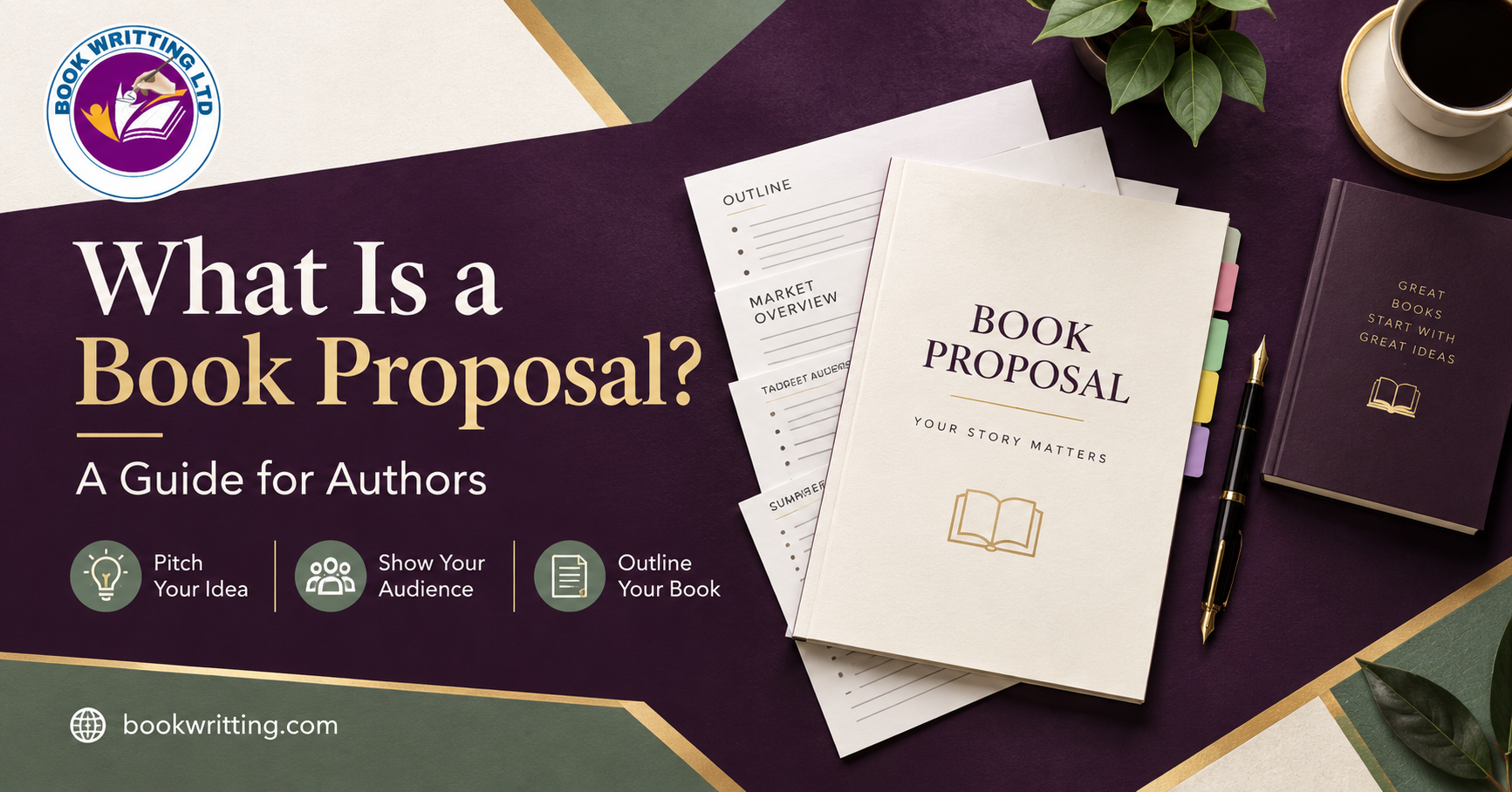
Writing a book is an exciting achievement, but getting it ready for publication often requires careful planning. Authors may need to explain their ideas, identify their intended readers, and demonstrate why their book deserves attention. One document that can help accomplish this is a book proposal.
But what is a book proposal, and why is it important?
A book proposal is a document that presents a book idea, explains its purpose, describes its target audience, and outlines why it may appeal to publishers or readers. Depending on the publishing process, it can include information about the author, competing books, chapter outlines, sample chapters, and marketing opportunities.
Understanding how proposals work can help authors prepare their projects more professionally and approach the right publishing opportunities.
What Is the Purpose of a Book Proposal?
A book proposal helps a publisher or literary agent evaluate a potential book before committing to the project. It explains what the book is about, who is likely to read it, and what makes it distinctive.
Book proposals are particularly common in traditional nonfiction publishing. Authors proposing a practical guide, business book, memoir, or educational title may be asked to submit a proposal before completing the entire manuscript.
Fiction follows different submission practices. Many literary agents and publishers generally request a query letter, synopsis, and sample pages or a completed manuscript rather than a nonfiction-style proposal. Always check the specific submission guidelines before preparing your materials.
A strong proposal communicates the value of the book clearly and gives the reader a practical understanding of the project.
What Should a Book Proposal Include?
The required sections vary by publisher, agent, and genre, but a nonfiction book proposal often contains several important elements.
1. Book Overview
The overview explains the main idea, purpose, and central promise of your book. Describe the subject, the problem it addresses, or the experience it offers readers.
Be specific about what makes your approach interesting. Avoid relying on vague claims such as saying the book is completely unique without explaining why.
2. Target Audience
Identify the readers most likely to benefit from or enjoy your book. Consider their interests, needs, challenges, and reasons for seeking out a book on your topic.
For example, a guide to beginner gardening might target people who want practical instructions for growing plants in limited spaces. Defining your audience helps publishers understand who the book is intended to serve.
3. Author Biography
Explain why you are well placed to write the book. Relevant experience, professional knowledge, published work, research, personal experience, or an established audience may strengthen your proposal.
Present your credentials honestly and focus on information related to the subject.
4. Market and Competing Titles
Discuss existing books that address a similar topic or audience. Explain how your proposed book differs in its approach, content, style, or intended readership.
The goal is not simply to claim that your book has no competition. Instead, demonstrate that you understand the market and can explain what your project contributes.
5. Chapter Outline
A chapter outline gives readers an overview of the book's structure. Briefly explain what each chapter covers and how the material progresses from the opening to the conclusion.
A clear outline shows that you have thought carefully about how the book will deliver its main promise.
6. Sample Chapters
Some proposals require sample chapters so that publishers or agents can evaluate your writing style, clarity, and ability to deliver the proposed content.
Choose sections that represent the quality and approach of the finished book. Follow the requested length and formatting requirements.
7. Marketing and Platform
Depending on the proposal guidelines, you may need to explain how readers might discover the book. Relevant information could include an existing audience, professional network, newsletter, speaking experience, website, or realistic promotional plans.
Avoid making unsupported promises about future sales. Focus instead on the audience and promotional opportunities you can reasonably demonstrate.
How to Write a Strong Book Proposal
Writing a proposal begins with understanding your book and the people you want to reach.
Start by clarifying the central idea. Write a brief explanation of what the book offers and why readers may find it valuable. Then research the target audience and related titles to understand how your project fits into the existing market.
Next, create an organized outline and prepare any requested sample chapters. Make sure the sections support one another: the overview should match the chapter plan, the audience description should fit the content, and the author biography should highlight relevant experience.
Use clear, direct language. Publishers need to understand the proposal efficiently, so avoid unnecessary background information and repetitive claims.
Finally, revise your document carefully. Check spelling, grammar, consistency, formatting, and the accuracy of every claim. Before submitting it, confirm that you have followed the publisher's or agent's instructions.
Common Book Proposal Mistakes to Avoid
Even an interesting book idea can be difficult to evaluate if the proposal is unclear or incomplete.
Avoid these common mistakes:
Describing the book too vaguely.
Failing to identify a specific target audience.
Ignoring competing books and market context.
Including an unclear or incomplete chapter outline.
Overstating your credentials or promotional reach.
Making unrealistic claims about sales or success.
Submitting materials that do not follow the requested guidelines.
A strong proposal does not guarantee acceptance, but it helps communicate your idea in a professional and organized way.
Professional Support for Your Book Project
Preparing a book proposal can be challenging, especially when you are developing a project for the first time. Organizing your ideas, refining your writing, and presenting your manuscript clearly may require several rounds of revision.
Authors seeking assistance with writing, editing, publishing, or book marketing can explore the services offered by Book Writting Ltd. Professional support may help you prepare your materials and decide on practical next steps for your project.
What Happens After You Submit a Proposal?
After submission, a publisher or literary agent may review your proposal to decide whether the project fits their interests, publishing plans, and audience. They may request additional information, sample material, revisions, or the complete manuscript.
Response times and evaluation processes vary, and not every proposal receives an offer. Continue researching appropriate publishers or agents and follow each one's submission rules.
If you receive feedback, consider it carefully before making revisions. A clear understanding of your project's strengths, intended audience, and structure can help you make informed decisions as your publishing journey progresses.
Authors preparing for publication can also explore Book Writting Ltd for information about writing, editing, publishing, and book marketing services.
A book proposal is a structured presentation of a book idea that helps publishers or literary agents evaluate its purpose, audience, content, and potential. Depending on the project, it may include an overview, author biography, market research, competing titles, chapter outline, sample chapters, and a marketing plan.
The most effective proposals are clear, specific, realistic, and tailored to the requested guidelines. They demonstrate not only that the author has an interesting idea but also that the project has been thoughtfully developed.
Whether you're planning a nonfiction guide, a memoir, or another book project, taking time to prepare your materials can help you communicate your ideas with confidence.